

Quick answer: natural gas pros and cons
Pros
Strong heat in deep cold
A gas furnace delivers full output at −30 °C, with no drop in performance.
Efficient equipment
New gas furnaces in Canada must be at least 95% AFUE, and many reach 98%.
Piped supply
No fuel deliveries, no tank to monitor and no storage on your property.
One fuel, many appliances
Furnace, water heater, range, dryer, fireplace and BBQ.
Usually lower running costs
Than oil, propane or electric baseboards in Ontario.
Cons
- Emissions: gas is a fossil fuel. It burns cleaner than oil, but it still produces carbon dioxide.
- Combustion safety: needs proper venting, yearly service and carbon monoxide alarms.
- No cooling: you still need a separate air conditioner or heat pump for summer.
- Not everywhere: many rural properties around Ottawa are not on a gas main.
- Fixed charges and price changes: you pay a monthly customer charge plus usage, and rates change over time.
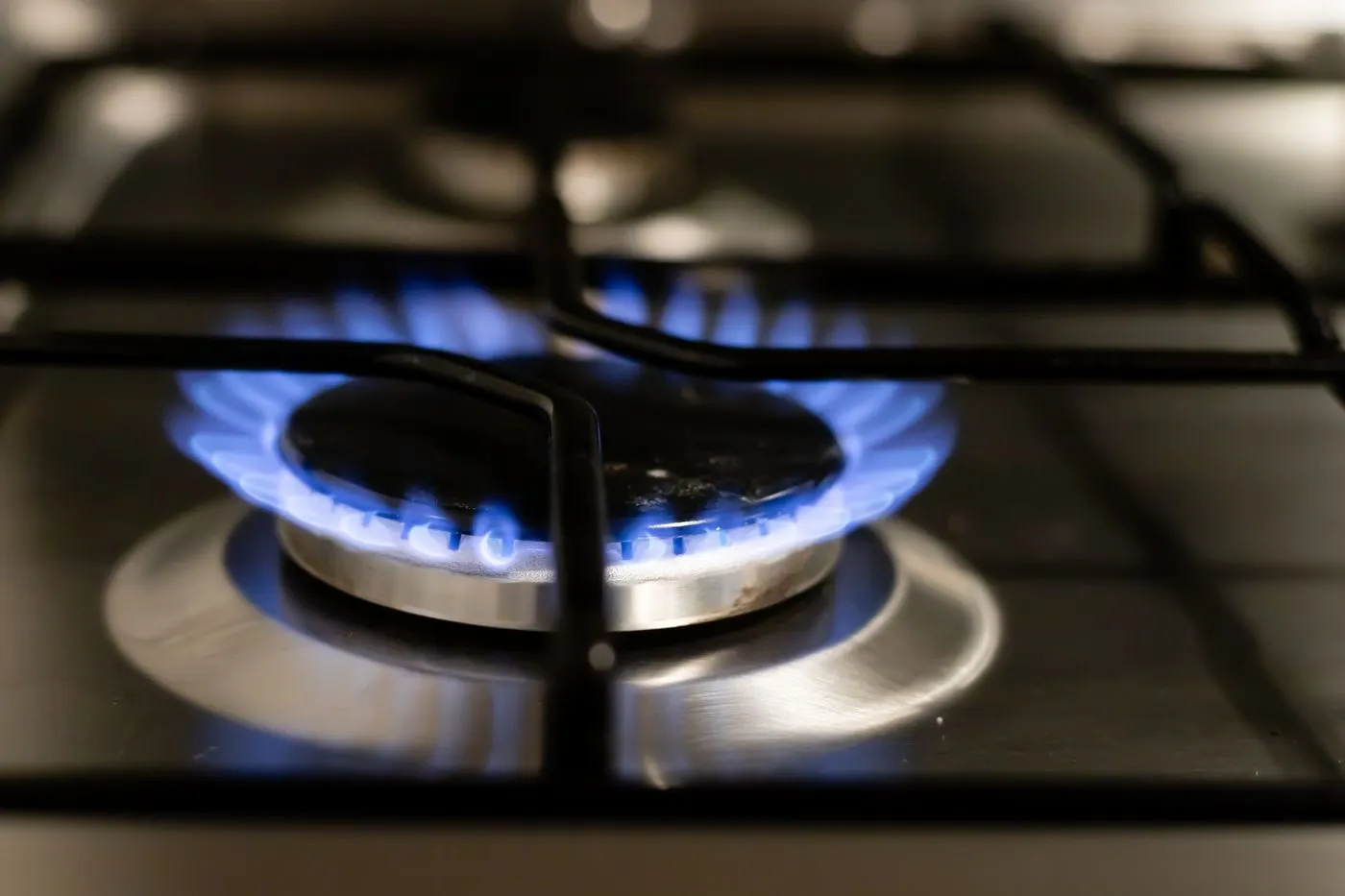
The real advantages of natural gas home heating
The biggest advantage in Ottawa is cold-weather performance. A gas furnace produces the same heat at −30 °C as it does at 0 °C, so a properly sized furnace keeps up through the coldest January nights.
Gas is delivered by underground pipe, so there are no deliveries to schedule and no tank to run dry. Underground service is also less exposed to storms than overhead power lines, although a modern furnace still needs electricity to run its blower and controls.
Gas is also flexible. Once your home has a gas meter, the same supply can run a tank or tankless water heater, a range, a dryer, a fireplace, a garage heater and a BBQ. Each added appliance only needs a properly sized branch line.
The honest disadvantages
Natural gas is still a fossil fuel. It is the cleanest-burning of the common heating fuels, but every cubic metre burned releases carbon dioxide. If lowering your home’s emissions is a priority, a heat pump will do more than any gas appliance.
Gas appliances burn fuel inside your home, so venting and combustion must be right. A cracked heat exchanger, blocked vent or poorly adjusted burner can release carbon monoxide. That is why yearly service and working CO alarms are not optional.
Gas also needs a separate system for summer cooling. And if your street has no gas main, getting service may not be practical.
Natural gas vs heat pumps, propane, oil and electric
| Heating option | Cold-weather performance | Equipment efficiency | Running cost in Ontario (general) | Best fit |
|---|---|---|---|---|
| Natural gas furnace or boiler | Full output at −30 °C | 95–98% AFUE furnaces; condensing boilers mid-90s | Usually low | Homes on the Enbridge Gas network |
| Cold-climate heat pump | Keeps heating in deep cold, with lower output and efficiency as it gets colder | Delivers more heat than the electricity it uses, especially in mild weather | Low to moderate, depends on electricity rates | Homes wanting cooling too, lower emissions, or no gas |
| Propane furnace | Full output in deep cold | Same high-efficiency furnaces as gas | Usually higher than natural gas | Rural homes without a gas main |
| Oil furnace or boiler | Full output in deep cold | Generally lower than modern gas equipment | Usually higher than natural gas | Existing oil homes, often rural |
| Electric baseboard or furnace | Full output, but every kilowatt counts | 100% at the point of use | Usually the highest in Ontario | Small spaces, or where electricity is cheap, as in Gatineau |
Running costs change with gas and electricity rates, your home’s insulation and how you use the system. Treat this as a general comparison, not a bill estimate.
Natural gas vs heat pumps in Ottawa
Cold-climate heat pumps now heat effectively well below −20 °C. Because they move heat rather than make it, they can deliver two to three times as much heat as the electricity they use in mild weather, and they cool your home in summer.
Their efficiency drops in Ottawa’s deepest cold, which is where gas shines. A ducted cold-climate heat pump typically costs $9,000 – $18,000 installed with existing ducts, compared with $4,500 – $8,500 for a high-efficiency gas furnace.
For the full comparison, read gas furnace or heat pump: which is better?
Propane, oil and electric homes around Ottawa
Many rural properties in Greely, Osgoode, Carp, Richmond, Kemptville and the Manotick fringe are not on a gas main. They typically heat with propane, oil or electricity.
Propane
Uses the same high-efficiency furnaces as natural gas, with a tank on site and scheduled deliveries.
Oil
Reliable heat, but tanks age and need monitoring, and fuel is delivered. A cold-climate heat pump with the oil system as backup is worth comparing.
Electric
In Gatineau, low Hydro-Québec rates make electric heat and heat pumps common. In Ontario, electric baseboards are usually the most expensive way to heat a whole house.
If natural gas is available on your street, Enbridge Gas can tell you what a new service connection involves.
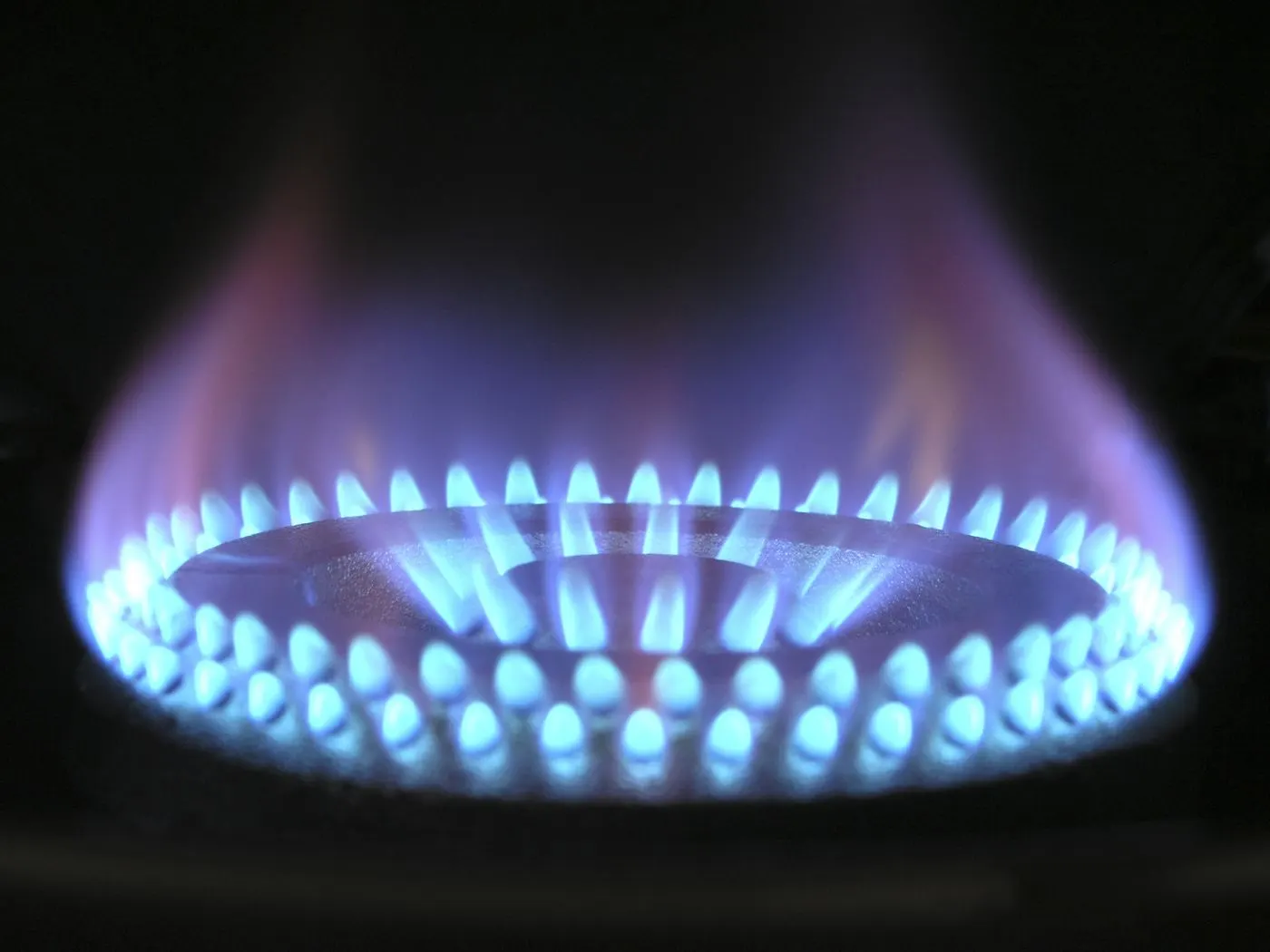
Hybrid systems: gas and a heat pump together
A hybrid, or dual-fuel heating, system pairs a cold-climate heat pump with a high-efficiency gas furnace. The heat pump heats and cools through most of the year, and the furnace takes over automatically on the coldest days.
The switch-over point is set on the thermostat and can be based on temperature or relative energy cost. You keep the reliability of gas in January while burning much less of it over the year.
Hybrid systems are a good fit when your air conditioner is due for replacement and your furnace still has years left. Rebates may be available for heat pumps; Oria will check current programs for your home. See our HVAC rebates page.
Natural gas appliances for your home
| Appliance | Typical installed range (CAD, before rebates) |
|---|---|
| High-efficiency gas furnace (96–98% AFUE) | $4,500 – $8,500 (variable-speed/modulating up to ~$10,500) |
| Boiler (high-efficiency combi or heating boiler) | $7,000 – $15,000 |
| Gas tank water heater (40–50 gal) | $1,800 – $3,200 |
| Tankless water heater | $3,500 – $6,500 |
| Gas line for a BBQ, range or dryer | $350 – $1,000 |
| Gas fireplace or insert | $3,500 – $7,500 |
The final price depends on your home, the equipment and the venting or gas piping involved. Oria gives free quotes on any equipment purchase. For new appliance connections, see our gas line installation service.
Natural gas safety at home
Natural gas is safe when appliances are installed and serviced properly. In Ontario, the Technical Standards and Safety Authority (TSSA) regulates gas appliances and gas work, and only licensed gas technicians should install, move or repair them.
Know the smell
Gas has an added odour like rotten eggs. If you smell it, leave right away, do not touch light switches or appliances, and call Enbridge Gas’s emergency line or 911 from outside.
Install CO alarms
Carbon monoxide alarms are required near sleeping areas in homes with fuel-burning appliances. Test them monthly.
Service yearly
A tune-up checks combustion, venting and the heat exchanger.
Keep vents clear
Snow over the outdoor intake and exhaust pipes can shut down a high-efficiency furnace or water heater.
Learn the warning signs in our guide to furnace carbon monoxide safety.
Is natural gas right for your home?
You are on gas and your furnace is old
Replace it with a 96–98% AFUE furnace, and consider a heat pump in place of your AC.
You are on gas and want lower emissions
A hybrid system cuts gas use substantially without giving up backup heat.
You heat with oil or propane
Compare a cold-climate heat pump with your current fuel as backup.
You live in Gatineau on electric baseboards
A heat pump or ductless mini-split usually makes more sense than adding gas.
Oria’s technicians all hold gas licences, and we are TSSA and HRAI approved. Explore our gas services or call (613) 866-1869 to talk through your options.
Frequently Asked Questions
Is natural gas cheaper than electricity for heating in Ottawa?
Compared with electric baseboards or an electric furnace, natural gas is usually much cheaper to heat with in Ontario. Compared with a cold-climate heat pump, the answer depends on electricity and gas rates, your home and the weather, because a heat pump delivers more heat than the electricity it uses. Many homes combine both in a hybrid system.
Does a gas furnace work during a power outage?
No. A modern gas furnace needs electricity for its blower, inducer motor, ignition and controls, so it stops when the power goes out. A properly installed generator with a transfer switch can run it. Some gas fireplaces with a standing pilot can produce heat without power. Never run a generator, BBQ or camp heater indoors.
Is natural gas safe to use in my home?
Yes, when appliances are installed and serviced by licensed gas technicians. Gas has an added rotten-egg odour so leaks are noticeable, and carbon monoxide alarms near sleeping areas protect against combustion problems. Book yearly service, keep outdoor vents clear of snow, and if you ever smell gas, leave the house and call from outside.
What is a dual-fuel or hybrid heating system?
A dual-fuel system pairs a cold-climate heat pump with a high-efficiency gas furnace on the same ductwork. The heat pump handles heating and cooling for most of the year, and the furnace takes over automatically in Ottawa’s coldest weather. It cuts gas use while keeping dependable backup heat, and it replaces your central air conditioner.
Can I get natural gas at a rural property near Ottawa?
It depends on whether an Enbridge Gas main runs along your road. Many rural properties in areas such as Greely, Osgoode, Carp and Kemptville are not on a main and heat with propane, oil or electricity. Enbridge Gas can tell you whether service is available. Propane furnaces and cold-climate heat pumps are the usual alternatives.
Should I replace my gas furnace with a heat pump?
Not necessarily. If your gas furnace is under 10 years old, adding a cold-climate heat pump in place of your air conditioner and keeping the furnace as backup is often the best value. If the furnace is near the end of its life, compare a new furnace plus heat pump against a heat pump with electric backup.
Related Reading
Need help with your heating or cooling?
Family-owned, licensed HVAC contractor serving Ottawa and Gatineau since 2014. 5.0 stars from 578 Google reviews.