
Indoor Air Quality Solutions for Ottawa Homes
Humidity, fresh air, filtration and carbon monoxide safety, delivered through your heating and cooling system
- 5.0 · 396 Google reviews
- TSSA & HRAI approved
- 24/7 emergency service
- Family-owned since 2005
Humidity, fresh air, filtration and carbon monoxide safety, delivered through your heating and cooling system
- Free estimates on new installations
- Financing from $49/month (OAC)
- All makes and models serviced

Why indoor air quality matters in an Ottawa home
Ottawa homes stay closed up for most of the year. From November to April the windows are shut against −20 °C air, and in July and August they are shut again while the air conditioner fights humidex readings of 35 to 40.
A closed house holds on to what is inside it: cooking moisture, shower steam, dust, pet dander and the chemicals given off by furniture, paint and cleaners. Newer homes are built tight for energy efficiency, which makes controlled ventilation more important, not less.
The good news is that most fixes run through the system you already have. Your furnace blower and ducts can deliver the right humidity, filtered air and fresh outdoor air to every room in the house.
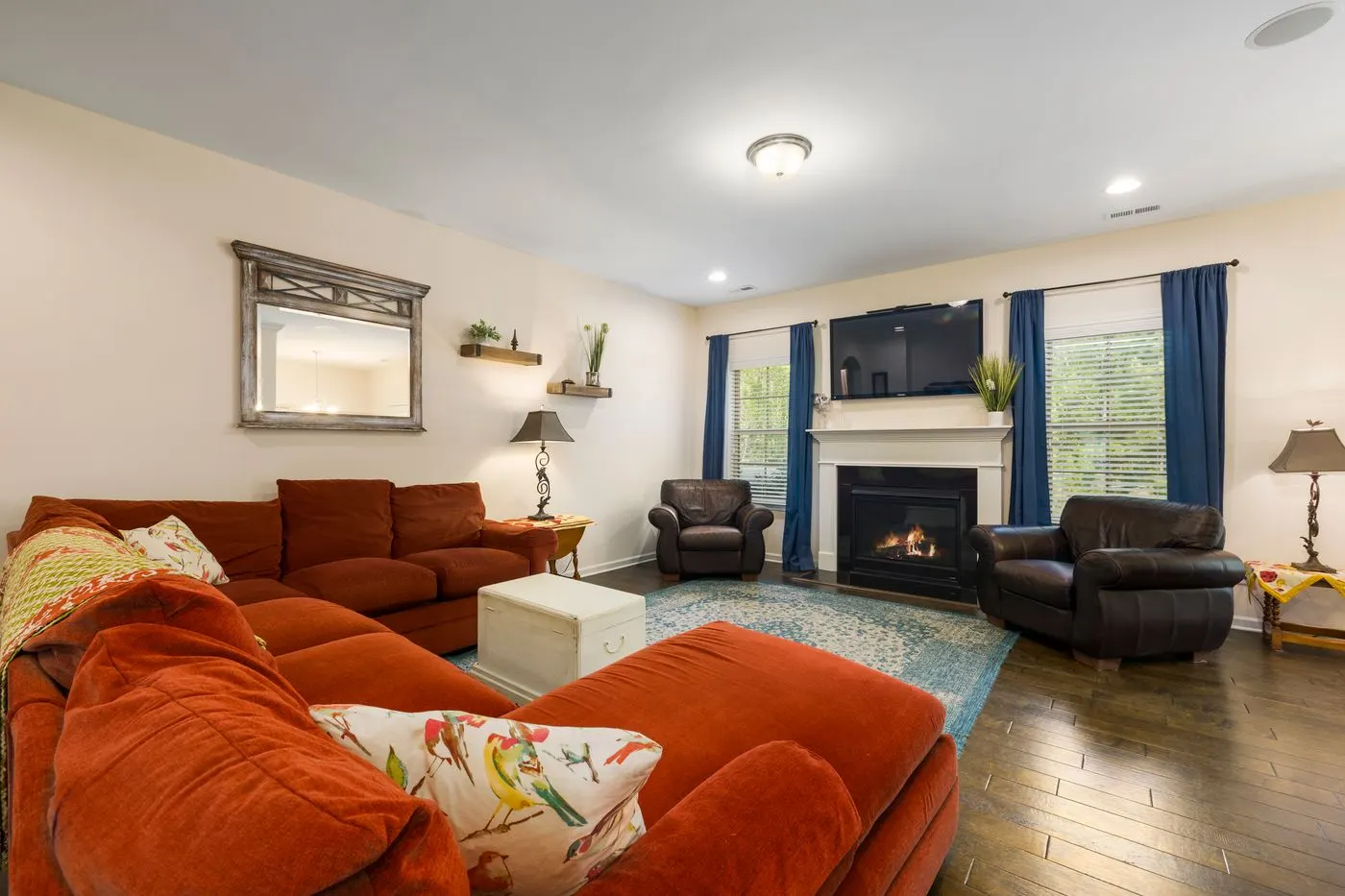
Indoor air quality services from Oria
Each of these addresses a different part of the air in your home. Many households need two or three working together.
Whole-home humidifiers
Bypass, fan-powered and steam humidifiers mounted on your furnace end the dry-air season of static shocks and cracked lips. Typically $500 to $1,000 installed, or $1,200 to $2,200 for steam.
Learn more →HRV and ERV ventilation
A heat or energy recovery ventilator swaps stale indoor air for fresh outdoor air and recovers much of the heat on the way out. Typically $2,500 to $5,500 installed.
Learn more →Smart thermostats
Many models manage humidity, run the furnace fan on a schedule to keep air filtered and moving, and remind you when the filter is due. Typically $250 to $600 installed.
Learn more →Carbon monoxide safety
Annual combustion checks on your furnace, boiler and water heater, plus CO alarms near every sleeping area, protect against a gas you cannot see or smell.
Learn more →Duct sealing and repairs
Leaky return ducts in an unfinished basement pull in dust and damp air and spread it through the house. Sealing them helps your filter do its job.
Learn more →Better filtration
Moving from a basic 1-inch filter to a properly fitted pleated filter or a 4- to 5-inch media cabinet captures far more fine dust and pollen.
Learn more →Humidity and ventilation: getting the balance right
Humidity is the biggest air quality issue in most Ottawa homes, and it swings the opposite way each season.
In winter, cold outdoor air holds so little moisture that once it is heated indoors the relative humidity can fall below 15%. Aim for 30 to 40% on mild days and drop to 25 to 30% below −20 °C so windows don’t sweat. In summer the problem reverses: humid air can push basements above 60%, where mould and dust mites thrive. A correctly sized air conditioner removes moisture as it cools; an oversized one short-cycles and leaves the house cool but clammy.
Ventilation is the other half. An HRV recovers heat from outgoing air; an ERV recovers heat and some moisture. Many newer Ottawa homes already have one, while older homes often rely on air leaks and bathroom fans.
| What you notice | Likely cause | Usual fix |
|---|---|---|
| Condensation on windows, stuffy rooms, lingering cooking smells | Too little fresh air, too much moisture | HRV, or rebalance an existing one |
| Static shocks, dry skin, gaps in hardwood | Winter humidity too low | Furnace humidifier; an ERV in some homes |
| Dust returns soon after cleaning | Poor filtration or leaky return ducts | Better filter, sealed returns |
| Musty, clammy basement in summer | High summer humidity | Dehumidifier, AC sizing check |
An inexpensive hygrometer shows you the real number instead of a guess. For the ventilation choice in detail, read HRV vs ERV.
Furnace filters: MERV ratings and media filters
Your furnace filter cleans the air every time the blower runs. Residential filters are rated by MERV, roughly 1 to 16; a higher number catches smaller particles such as fine dust, pollen and pet dander.
| Filter | Typical MERV | Notes |
|---|---|---|
| Basic 1-inch fibreglass | 1–4 | Protects the furnace; does little for the air you breathe |
| Pleated 1-inch | 8–11 | A good everyday choice; check monthly, change every 1–3 months |
| 4- to 5-inch media filter in a cabinet | 11–13 | Higher filtration with less airflow restriction; usually changed every 6–12 months |
Higher is not always better. A dense MERV 13 filter forced into a 1-inch slot can choke airflow, making the furnace run hot and the AC coil too cold. A media cabinet gives better filtration with far more surface area, so the blower is not strained. We can measure your system’s static pressure and recommend the right filter.

Is duct cleaning worth it?
For most homes, duct cleaning is not a routine maintenance item. Dust that settles inside ducts tends to stay there, and the air you breathe is mostly affected by what is in the house and how well your filter works.
Cleaning can make sense after major renovation or drywall work, when you move into a home where the furnace ran without a filter, if rodents or insects have been in the ducts, or if there is visible mould. Before paying for it, fix the cause. A missing filter, a gap around the filter slot or leaky return ducts will dirty clean ducts again quickly.
A dirty blower wheel or AC coil usually affects airflow and air quality far more than dusty duct walls. Both are checked during a furnace maintenance visit.
Carbon monoxide: the air quality risk you cannot detect
Carbon monoxide (CO) forms when gas, propane, oil or wood burns incompletely. It has no colour or smell. A cracked heat exchanger, blocked vent or backdrafting water heater can release it into the living space.
- Ontario requires CO alarms next to sleeping areas in homes with a fuel-burning appliance, a fireplace or an attached garage.
- Replace alarms at the age the manufacturer specifies, often 7 to 10 years, and test them monthly.
- Have every fuel-burning appliance checked once a year, including combustion and venting.
- Keep side-wall PVC vents clear of snow and ice through the winter.
- If a CO alarm sounds, get everyone outside and call 911 from outside. Do not stay to look for the source.
Early warning signs include headaches or nausea that ease when you leave the house, a yellow or flickering burner flame, and soot around appliance vents. A yearly maintenance visit keeps the combustion checks on schedule.

How we assess the air in your home
- 1
Listen to the symptoms
Dry air, condensation, dust, odours or headaches each point to a different cause, so we start with what you are noticing and when.
- 2
Measure
We check indoor humidity, airflow and static pressure, and test combustion and CO on fuel-burning appliances.
- 3
Inspect the system
We look at the filter and how it fits, the blower, coil, return ducts, venting and any existing humidifier or HRV.
- 4
Recommend and price
You get a short, prioritized list. The fix is often as simple as a better filter or a rebalanced HRV, and estimates on new installs are free.
- 5
Install and set up
We install the equipment, set humidity and ventilation for the season, and show you how to adjust them as the weather changes.
Frequently Asked Questions
Straight answers from licensed Ottawa technicians. Still have a question? Call us any time.
What is the best way to improve indoor air quality in an Ottawa home?
Start with the basics that run through your furnace: keep winter humidity around 30 to 40%, make sure the home gets controlled fresh air from an HRV or ERV, use a well-fitted pleated or media filter, and have fuel-burning appliances checked yearly with working CO alarms. Measuring humidity and airflow first shows which of these will make the biggest difference.
What MERV filter should I use in my furnace?
For most homes, a pleated 1-inch filter rated MERV 8 to 11 is a good balance of filtration and airflow. If you want better filtration for allergies or pets, a 4- to 5-inch media filter cabinet rated around MERV 11 to 13 is better than forcing a dense filter into a thin slot, which can restrict airflow and strain the blower.
Do I need an HRV or an ERV in Ottawa?
Both work in Ottawa. An HRV is usually the better match for homes that run humid in winter, with condensation on windows, because it exhausts moisture while recovering heat. An ERV retains some moisture, which helps homes that get very dry in winter and reduces humidity brought in during summer. Household size, house tightness and existing humidity all factor into the choice.
Why is my house so dry in winter?
Cold outdoor air holds very little moisture. When −20 °C air leaks into your home and is heated to 21 °C, its relative humidity can drop below 15%. The result is static shocks, dry skin and gaps in hardwood. A furnace humidifier adds moisture through the ductwork; aim for 30 to 40% on mild days and less in deep cold.
Is duct cleaning worth it?
For most homes, routine duct cleaning is not necessary. It can be worthwhile after major renovation or drywall dust, if rodents or insects have been in the ducts, if there is visible mould, or if the furnace ran without a filter. Fix the cause first, such as a poorly fitted filter or leaky return ducts, or the ducts will get dirty again.
Where should carbon monoxide alarms be installed in Ontario?
In Ontario, CO alarms are required next to each sleeping area in homes with a fuel-burning appliance, a fireplace or an attached garage. Many homeowners also add one near the furnace room. Follow the manufacturer’s instructions for placement and replacement age, test alarms monthly, and if an alarm sounds, get everyone outside and call 911.
Can a smart thermostat improve indoor air quality?
Indirectly, yes. Many smart thermostats can run the furnace fan on a schedule so air passes through the filter more often, control a humidifier based on outdoor temperature, and remind you when the filter is due. Some can also coordinate with an HRV. The thermostat does not clean the air itself, but it helps the equipment that does.
Book Service or Get a Free Estimate
Tell us what is going on and we will call you back with honest advice and a written estimate. Financing from $49/month on approved credit.
- Licensed gas & refrigeration technicians
- 5.0 stars from 396 Google reviews
- 24/7 emergency service
5.0 Stars from Ottawa Homeowners
Every review below is from a real Oria customer on Google.


Related Services and Guides
Serving Ottawa, Gatineau and the Surrounding Area
Based at 925 Longfields Dr in Nepean, our technicians cover the whole capital region.