
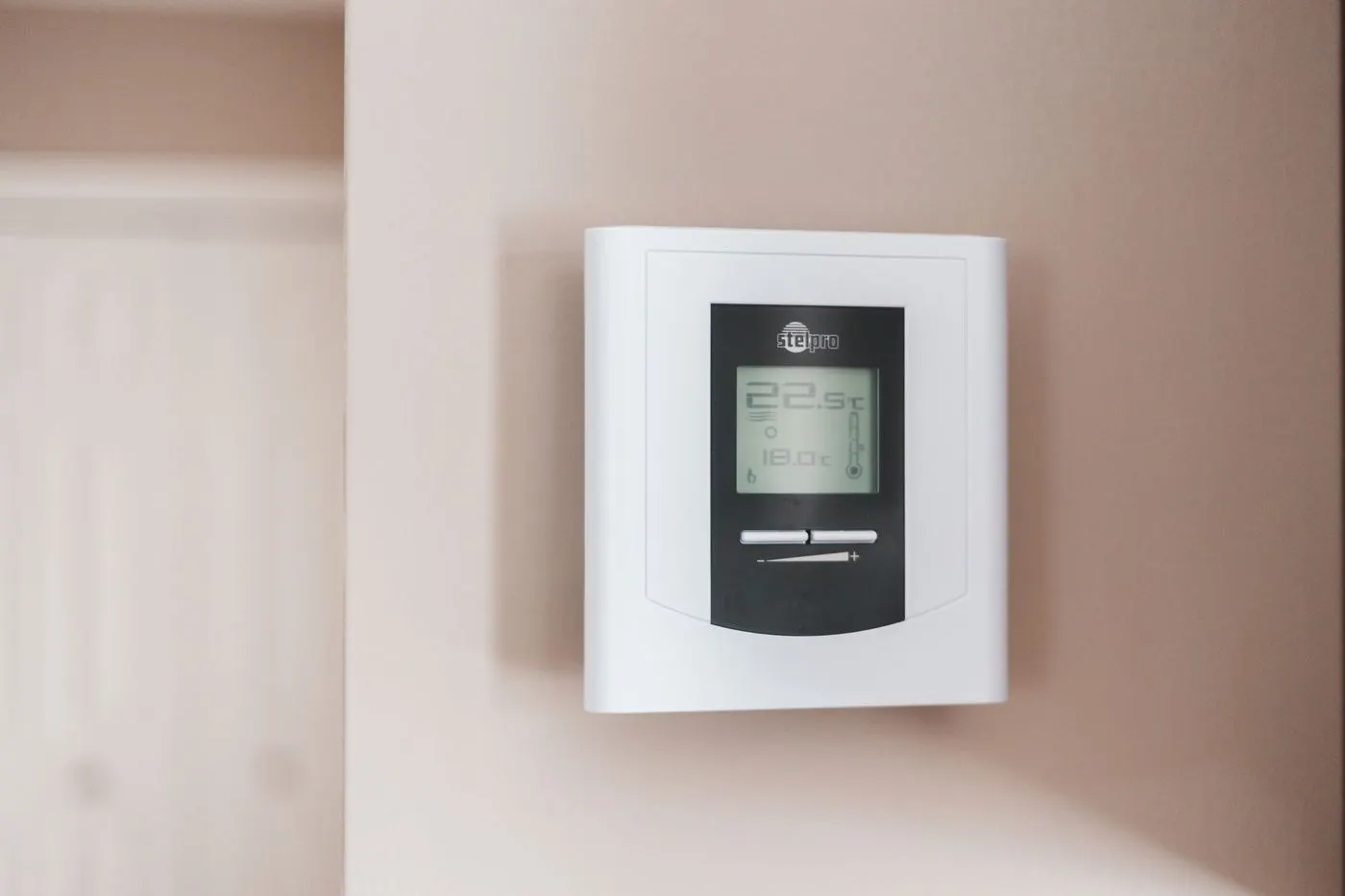
Quick answer
Target range
30–40% relative humidity (RH) when it is above about −10 °C outside.
Turn it down as it gets colder
About 25% at −20 °C and 20% at −30 °C.
Watch the windows
Water or frost on the inside of the glass means humidity is too high for the outdoor temperature.
Yes, a humidifier helps in Ottawa.
Cold outdoor air holds very little moisture, so a heated home often drops below 20% RH without one.
Maintenance
Change the humidifier pad (water panel) at the start of every heating season, and mid-season if you have hard well water.
Why Ottawa homes get so dry in winter
Cold air cannot hold much water. When −20 °C outdoor air leaks into your house and the furnace warms it to 21 °C, its relative humidity can fall into the single digits or low teens. Without added moisture, many Ottawa homes sit around 15–20% RH through January and February.
You feel it as itchy skin, dry eyes, nosebleeds, sore throats in the morning and static shocks from every doorknob. Hardwood floors gap, trim separates and pianos and guitars drift out of tune.
Dry air also feels colder. At the same thermostat setting, 35% RH feels warmer than 15% RH because moisture evaporates from your skin more slowly. Many people find they can keep the thermostat a little lower once humidity is right.
Ideal indoor humidity by outdoor temperature
The colder it gets outside, the colder your window glass gets, and the less moisture your home can hold before it condenses. Use this chart to set your humidistat, and adjust it as the forecast changes.
| Outdoor temperature | Maximum indoor RH (at about 21 °C) |
|---|---|
| Above 0 °C | 40–45% |
| 0 °C to −6 °C | 40% |
| −6 °C to −12 °C | 35% |
| −12 °C to −18 °C | 30% |
| −18 °C to −24 °C | 25% |
| −24 °C to −30 °C | 20% |
| Below −30 °C | 15% |
These are maximums, not targets. Older homes with single-pane or aluminium-frame windows may need to stay 5% lower. Newer homes with triple-pane windows can often hold the upper end. Many modern thermostats with outdoor sensors adjust humidity automatically to the outdoor temperature.
Signs your humidity is too low or too high
| Too low (under about 25%) | Too high for the weather |
|---|---|
| Static shocks, dry skin and lips | Water or frost on the inside of windows |
| Morning sore throat, nosebleeds | Black spots on window sills or corners |
| Gaps in hardwood floors and trim | Musty smell, damp closets on outside walls |
| House feels cold at normal settings | Peeling paint or stains on ceilings near the attic |
A $15–$30 digital hygrometer is the easiest way to know for sure. Place it in a main living area, away from the kitchen, bathrooms and supply vents.
Types of furnace humidifiers
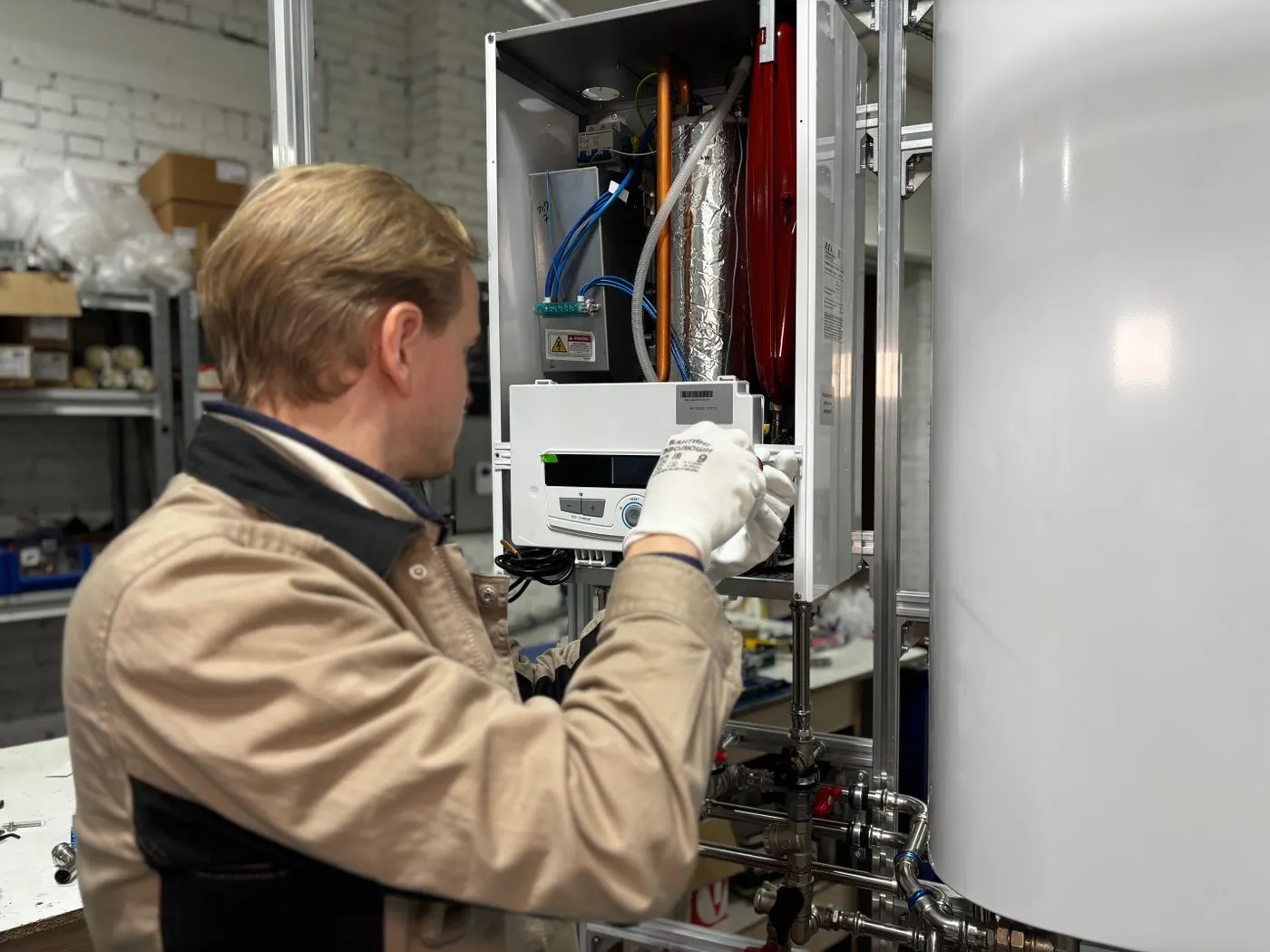
A whole-home humidifier mounts on your furnace ductwork and adds moisture to all the air the furnace circulates. It is quieter, cleaner and far less work than filling portable units in every bedroom.
Bypass humidifier
Uses the furnace’s own airflow. Warm air passes through a bypass duct and over a wet pad. Simple and low-maintenance, but it only humidifies while the furnace is heating.
Fan-powered humidifier
Has its own small fan to push air through the pad. It delivers more moisture than a bypass unit and needs no bypass duct, which helps in tight basements.
Steam humidifier
Boils water into steam and injects it into the duct. It works whether or not the burners are on, so it pairs well with heat pumps and modulating furnaces that run cooler air. It gives the most precise control for larger homes.
Humidifier types compared
| Type | Output | Best for | Typical installed price |
|---|---|---|---|
| Bypass | Moderate | Most gas furnace homes | $500 – $1,000 |
| Fan-powered | Higher | Larger homes, tight spaces with no room for a bypass duct | $500 – $1,000 |
| Steam | Highest, most precise | Heat pumps, large homes, very dry houses | $1,200 – $2,200 |
What about portable humidifiers? A tabletop unit can help one bedroom, but it needs daily refills and weekly cleaning, and ultrasonic models can leave white mineral dust on furniture when filled with hard water. To bring a whole Ottawa house from 15% to 30% RH, you would need several portable units running constantly. A furnace-mounted unit is plumbed into the water line, controlled by a humidistat and serviced once a season.
Final prices depend on the home, the equipment and the ductwork, water supply and drain access. Oria gives free quotes on any equipment purchase. Learn more on our humidifier installation page.
Changing the humidifier pad: when and how
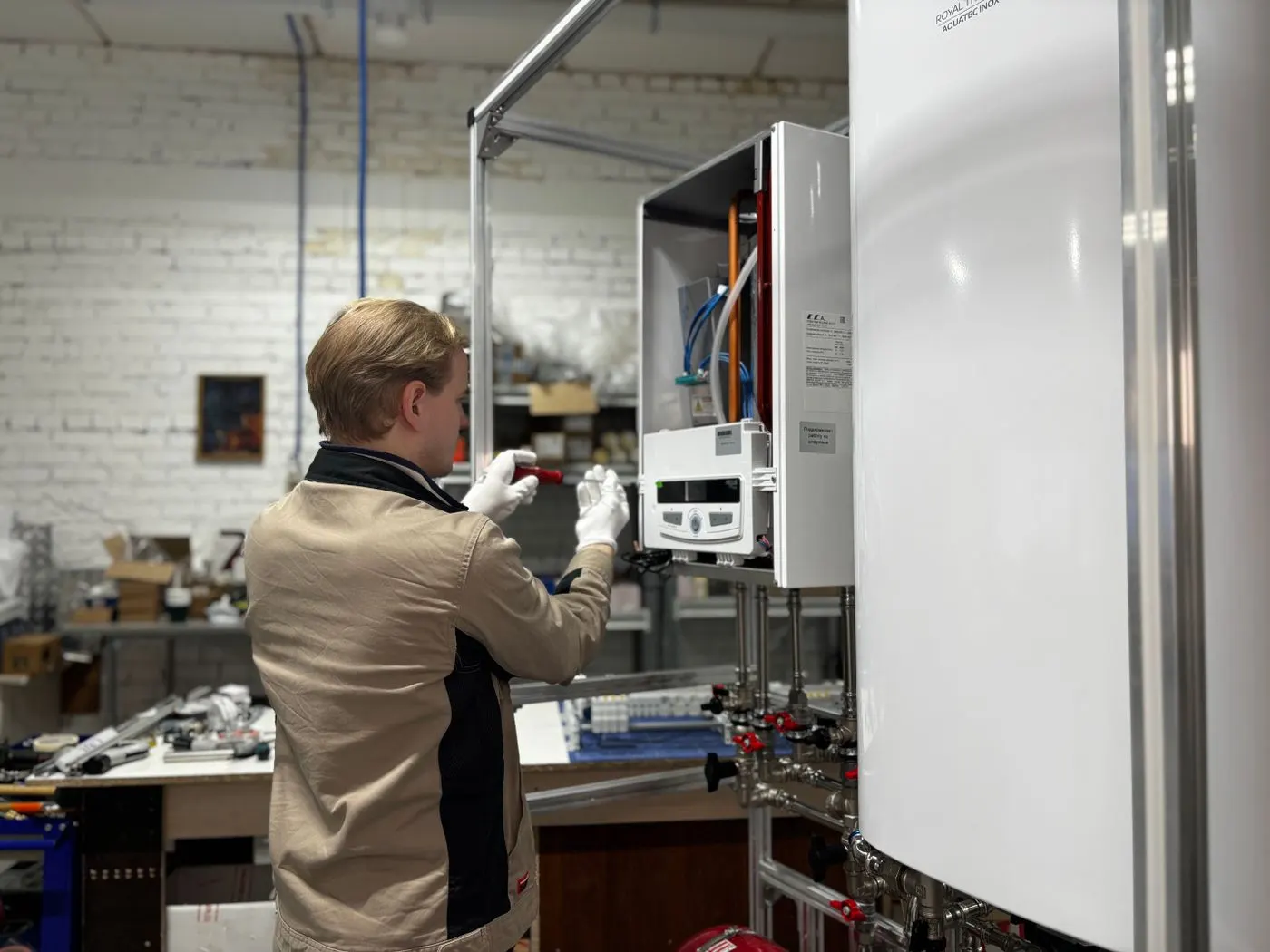
Bypass and fan-powered humidifiers use a pad, also called a water panel or evaporator pad. Minerals in the water slowly harden it until water runs off instead of soaking in. A crusty pad adds almost no moisture, and it can grow mould and smell musty.
When
Once every heating season, ideally in October before you turn the humidifier on.
Hard water
Rural homes on well water in Greely, Richmond, Carp or Kemptville often need a second change in January.
How
Shut off the water valve and furnace power, unclip the cover, lift out the pad frame and swap the pad. Use the exact model number printed on the old pad.
While you are there
Check that the drain line is clear and the water feed is not dripping or crusted.
Steam humidifiers do not use a pad, but the steam canister or cylinder needs cleaning or replacing on the manufacturer’s schedule, usually once a season in hard-water homes.
Spring and fall settings
In spring, turn the humidistat to off, close the water valve and set the bypass damper to its summer position so warm, humid air is not pushed through your AC. In fall, reverse the steps after installing a fresh pad. Your yearly tune-up is a good time to have this done; see our furnace maintenance checklist.
Humidity and ventilation work together
If your windows sweat even with the humidifier off, the house has too much moisture and too little ventilation, a common issue in newer, airtight Ottawa homes. In that case, an HRV or ERV brings in fresh air and helps control humidity. Our HRV vs ERV guide explains which suits your home. Dusty, dry air is also worth a look at your furnace filter and MERV rating.
Oria installs and services humidifiers on all furnace brands across Ottawa, including 24/7 emergency service. Call (613) 866-1869 or book through our humidifier installation page.
Frequently Asked Questions
What should indoor humidity be in an Ottawa winter?
Aim for about 30–40% relative humidity when it is above −10 °C outside, then lower it as temperatures drop: about 30% at −15 °C, 25% at −20 °C and 20% near −30 °C. These limits help prevent condensation and frost on windows. If water forms on the inside of the glass, turn the humidistat down by 5%.
Is a humidifier really needed in Ottawa?
For most Ottawa homes, yes. Cold winter air holds very little moisture, so once the furnace warms it, indoor humidity often falls to 15–20%. That causes dry skin, static shocks, sore throats and gaps in hardwood floors. A whole-home furnace humidifier keeps humidity in a comfortable range automatically, without filling portable units every day.
How often should I change my humidifier pad?
Change the humidifier pad, or water panel, once every heating season, ideally in October before you turn the humidifier on. Homes on hard well water, common in rural parts of Ottawa, may need a second change around January. A pad that is crusty, hard or discoloured is no longer adding much moisture and should be replaced.
Why are my windows wet or frosty inside in winter?
Moisture condenses on glass when indoor humidity is too high for the outdoor temperature. On a −25 °C day, even 30% humidity can frost single-pane or older windows. Lower the humidistat by 5–10%, open blinds so warm air reaches the glass, and run bathroom and kitchen fans. Persistent condensation may point to a ventilation problem.
How much does a furnace humidifier cost in Ottawa?
A bypass or fan-powered furnace humidifier typically costs $500 – $1,000 installed in Ottawa. A steam humidifier, which offers the most output and precise control, typically costs $1,200 – $2,200. The final price depends on the home, the equipment, and water and drain access. Oria gives free quotes on any equipment purchase.
Should I turn off my furnace humidifier in summer?
Yes. Turn the humidistat off, close the water supply valve and move the bypass damper to its summer position. Ottawa summers are already humid, and running the humidifier would push moisture into the air your AC is trying to dry. Turn it back on in fall after installing a fresh pad.
Related Reading
Need help with your heating or cooling?
Family-owned, licensed HVAC contractor serving Ottawa and Gatineau since 2014. 5.0 stars from 578 Google reviews.