
Quick answer: heat pumps in an Ottawa winter
So, do heat pumps work in Ottawa winters? Yes, if you choose the right equipment and size it for our climate. Here is what to expect.
Cold-climate models
Are designed to keep heating down to about −25 °C to −30 °C, depending on the model.
Efficiency falls as it gets colder.
A heat pump might deliver three or more units of heat per unit of electricity on a mild day, and closer to one and a half to two near −25 °C.
Backup heat is normal
, not a sign of failure. Electric strips or a gas furnace cover the coldest hours.
Hybrid systems
(heat pump plus gas furnace) are a popular choice for Ottawa homes already on natural gas.
Sizing, placement and ducts
Matter as much as the brand. A cold-climate unit installed badly will still disappoint.
How a heat pump finds heat at −20 °C
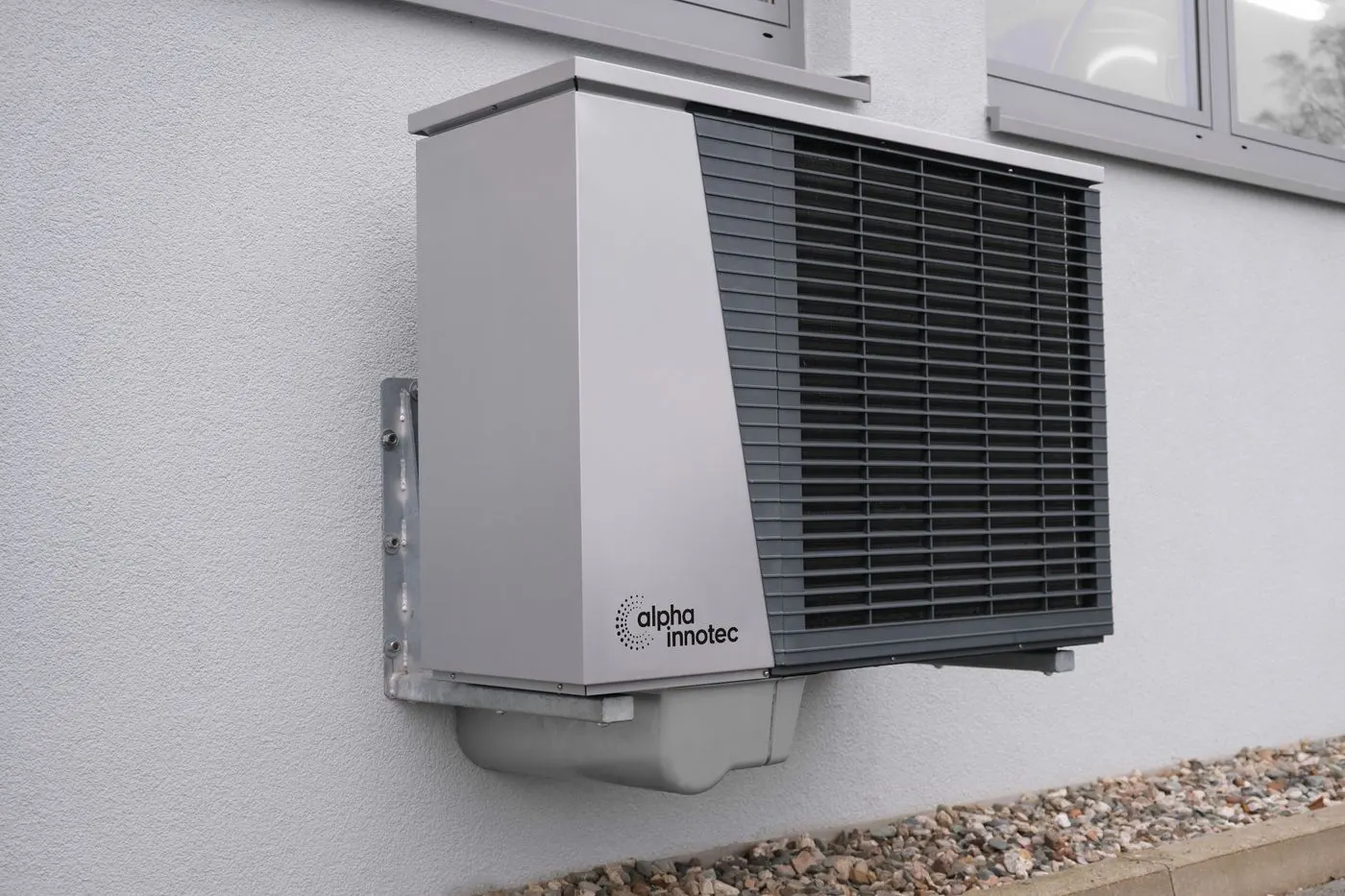
Outdoor air at −20 °C still contains heat energy. A heat pump’s refrigerant boils at a far lower temperature than that, so it can absorb heat from frigid air and carry it inside.
The compressor then squeezes the refrigerant, which raises its temperature high enough to warm your home’s air. In summer the process reverses and the same equipment works as an air conditioner.
Older heat pumps struggled below about −10 °C, which is where their poor reputation in Ottawa comes from. Today’s cold-climate units use variable-speed (inverter) compressors and refrigerants designed for low temperatures, so they keep working much deeper into winter.
Heat pump efficiency at low temperatures
Heat pump efficiency is measured as COP, or coefficient of performance. A COP of 3 means three units of heat for every unit of electricity. Electric baseboards are always a COP of 1, so anything above 1 beats baseboard heat.
| Outdoor temperature | Typical COP, cold-climate heat pump | What it means |
|---|---|---|
| +8 °C (fall and spring) | About 3 – 4.5 | Very efficient; heat pump easily carries the house |
| −8 °C (typical winter day) | About 2 – 3 | Still two to three times more efficient than baseboard heat |
| −15 °C (cold day) | About 1.75 – 2.5 | Output is reduced; well-sized systems still carry most homes |
| −25 °C (Ottawa design temperature) | About 1.3 – 1.8 | Backup heat often helps on these nights |
| Below −30 °C | Near 1, or the unit stops | Backup heat does most or all of the work |
These are general ranges. Real numbers vary by model, so always check the manufacturer’s low-temperature data for the exact outdoor unit and indoor coil you are considering. For more on ratings, see SEER2, AFUE and HSPF2 explained.
Capacity drops too
Efficiency is not the only thing that falls in the cold. A heat pump’s heating output also shrinks as outdoor temperature drops, at the same time your home is losing heat fastest.
Good cold-climate units hold most of their rated capacity down to about −15 °C. Below that, the gap between what the house needs and what the heat pump can deliver is what backup heat fills.
Backup heat: what covers the coldest nights
Every heat pump in Ottawa needs a plan for the coldest hours of the year. There are two common approaches.
Electric heat strips
Electric resistance coils in the air handler turn on when the heat pump can’t keep up. They are simple and reliable, but they run at a COP of 1, so you want them running as little as possible. They also add electrical load, which can affect your panel.
Gas furnace (hybrid system)
In a hybrid system, the heat pump sits on top of a gas furnace and they share the ducts. A control decides which runs, based on outdoor temperature, comfort or cost.
Many hybrid systems in our area are set to switch to the furnace somewhere between −5 °C and −15 °C. The right switchover point depends on your home’s heat loss, your energy prices and how warm you like the air from the vents.
What about power outages?
A heat pump needs electricity, but so does a gas furnace: its blower, inducer and controls all run on power. Neither keeps you warm in a long outage without a generator. A gas fireplace that doesn’t need power can be a useful extra in either case.
Real-world considerations for Ottawa homes
Sizing for heating, not cooling
In Ottawa, the heating load is usually much larger than the cooling load. A heat pump sized only to replace your AC will be too small for winter, so the contractor should do a heat-loss calculation based on our −25 °C design temperature.
Snow, ice and defrost
The outdoor unit collects frost in winter and runs short defrost cycles to clear it. You may see steam rising from it for a few minutes, which is normal.
Mount the unit on a stand or wall bracket above the typical snow line, keep it away from roof drip edges, and clear snow from around it after storms so melt water can drain.
Warm air feels different
A heat pump delivers warm air at a lower temperature than a gas furnace, and it runs longer, steadier cycles. Some people notice the air from the vents feels less hot, even though the room stays at the set temperature.
Ducts and older homes
Because heat pumps move more air at lower temperatures, undersized ducts or returns can cause noise and weak airflow. Drafty older homes benefit from air sealing and insulation, which shrink the heat load and let a smaller heat pump do more of the work.
Ductless options
Homes without ducts, including many in Gatineau and older Ottawa neighbourhoods on electric baseboards, can use ductless mini-splits. Cold-climate mini-splits are among the most efficient heat pumps available.
Are heat pumps common in cold parts of Canada?
Yes, and their use is growing. A CBC report on heat pumps in cold regions, based on Statistics Canada figures, found that about 83% of Ontario homes at the time were heated mainly by a furnace or boiler, with only about 2% using a heat pump.
The same figures showed heat pumps were far more common elsewhere: about 32% of homes in New Brunswick, 27% in Prince Edward Island, 21% in Nova Scotia and 11% in Quebec. Many of those homes face winters with long stretches below −20 °C.
The lesson for Ottawa is that cold weather alone is not a reason to rule out a heat pump. The deciding factors are equipment choice, design, backup heat and your energy costs.
Heat pump, furnace or hybrid: which is right for you?
| Your home | Option that usually fits best |
|---|---|
| On natural gas, furnace still in good shape, AC needs replacing | Add a heat pump to the existing furnace as a hybrid system |
| On natural gas, furnace and AC both old | Hybrid system, or new furnace and AC; compare both |
| Electric baseboard heat | Ductless mini-splits or a ducted heat pump with electric backup |
| Oil or propane (rural homes) | Cold-climate heat pump, often with the existing furnace kept as backup |
| Want to stop using gas entirely | Cold-climate heat pump with electric backup, sized for −25 °C |
For a side-by-side comparison, see gas furnace vs heat pump. For prices, read our heat pump cost guide for Ottawa.
Talk to a licensed heat pump installer
Oria’s technicians hold both refrigeration and gas licences, so we can design and install heat pumps, furnaces and hybrid systems as one job. We have served Ottawa homes since 2005.
Book a free estimate through our heat pump installation service or call (613) 866-1869, and we will size a system for your home and our winters.
Frequently Asked Questions
At what temperature does a heat pump stop working?
It depends on the model. Standard heat pumps lose most of their usefulness around −10 °C to −15 °C. Cold-climate heat pumps are designed to keep producing heat to roughly −25 °C to −30 °C, with reduced output and efficiency at the bottom of that range. Check the manufacturer’s low-temperature specifications for the exact model, and plan backup heat for Ottawa’s coldest nights.
Can a heat pump be the only heat source in an Ottawa home?
It can, if it is a cold-climate model sized for Ottawa’s design temperature of about −25 °C and paired with backup heat such as electric heat strips. The backup runs only on the coldest days. Well-insulated homes are easiest to heat this way. Homes with high heat loss may be better served by a hybrid system that keeps a gas furnace for extreme cold.
Why does my heat pump blow steam in winter?
That is usually a defrost cycle. In cold, damp weather, frost builds up on the outdoor coil. The heat pump briefly reverses to warm the coil and melt the frost, and the meltwater can rise as steam for a few minutes. It is normal. If the unit becomes encased in ice, or ice builds up underneath it, call a technician to check drainage and defrost controls.
Is a hybrid heat pump system worth it in Ottawa?
For many Ottawa homes on natural gas, yes. The heat pump handles heating for most of the season and provides air conditioning in summer, while the gas furnace takes over during deep cold. This keeps comfort high on −30 °C nights and lets you use whichever fuel is cheaper at each temperature. It is especially worth considering when your air conditioner needs replacing.
Does a heat pump feel as warm as a gas furnace?
The room temperature can be the same, but the air from the vents feels different. A gas furnace delivers short bursts of very warm air, while a heat pump delivers cooler air over longer, steadier cycles. Many people find the even temperature more comfortable once they get used to it. Proper duct sizing helps avoid drafts and weak airflow.
What maintenance does a heat pump need in winter?
Keep the outdoor unit clear of snow and ice, especially after storms, and make sure nothing blocks airflow around it. Replace or clean the indoor filter on schedule, and don’t cover the unit. Book a yearly tune-up so a technician can check refrigerant charge, defrost controls, electrical parts and backup heat before the cold arrives.
Related Reading
Need help with your heating or cooling?
Family-owned, licensed HVAC contractor serving Ottawa and Gatineau since 2005. 5.0 stars from 396 Google reviews.