

Quick answer: the numbers to look for in Ottawa
Gas furnace
96% AFUE or higher. New gas furnaces in Canada must be at least 95% AFUE, so the real choice is about stages and blower type.
Central air conditioner
About 15.2 SEER2 or higher, the ENERGY STAR level. Going much higher pays back slowly because Ottawa’s cooling season is short.
Ducted heat pump
A cold-climate model, at least 8.1 HSPF2 on the U.S. rating basis, with a COP of 1.75 or more at −15 °C.
Ductless mini-split
Cold-climate rated, at least 8.5 HSPF2 and 15.2 SEER2.
Water heater
Compare UEF; condensing tankless units are roughly 0.90 and up.
Since 2023
Cooling and heat pump ratings use SEER2, EER2 and HSPF2, which read lower than the old SEER, EER and HSPF for the same equipment.
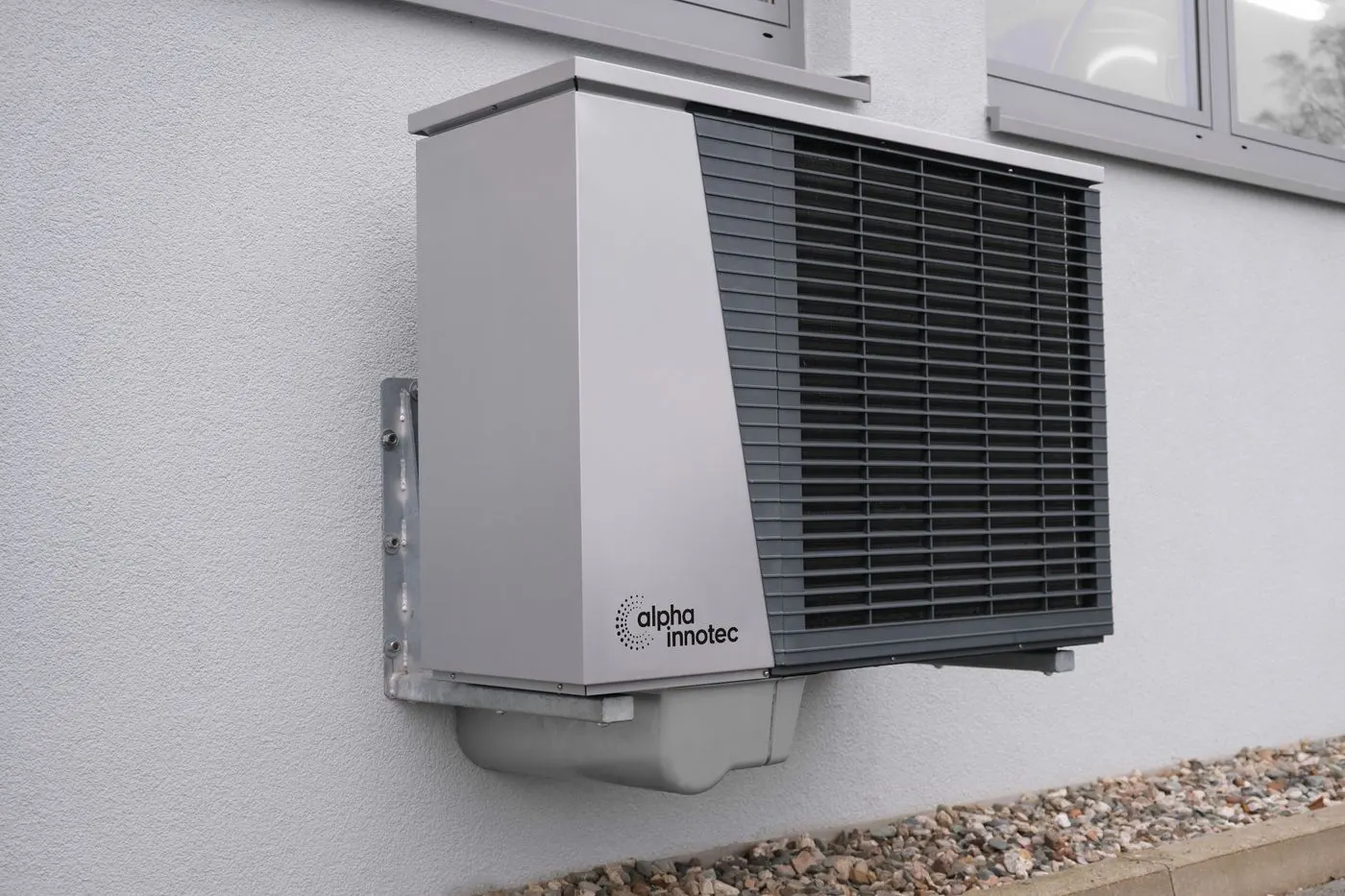
AFUE: how efficient is your gas furnace?
AFUE stands for annual fuel utilization efficiency. It is the percentage of the gas you buy that becomes heat in your home over a typical season. A 96% AFUE furnace turns 96 cents of every gas dollar into heat; the other 4 cents leave through the vent.
Older furnaces tell the story. Many 1980s and 1990s furnaces in Ottawa basements are around 60% to 80% AFUE and vent into a chimney. Modern condensing furnaces are 95% to 98% AFUE and vent through plastic pipe out a side wall.
What AFUE means on your Enbridge bill
Say an 80% furnace costs $1,200 a year in gas. A 96% furnace delivering the same heat would use about $1,000 worth, roughly a 17% saving. Exact savings depend on your gas rate, home and thermostat habits.
What AFUE does not tell you
Blower electricity
AFUE ignores the fan. A variable-speed (ECM) blower uses far less electricity than an old fixed-speed motor.
Comfort
Two-stage and modulating furnaces run longer at low output, which means steadier temperatures and fewer cold spots.
Installation
A furnace that is oversized or connected to restrictive ductwork never reaches its rated efficiency.
See our high-efficiency furnaces for Ottawa homes for models in the 96% to 98% range.
SEER2: cooling efficiency, and what changed in 2023
SEER2 (seasonal energy efficiency ratio 2) measures how much cooling an air conditioner or heat pump delivers per unit of electricity over a typical cooling season. Higher is better.
On January 1, 2023, the testing rules changed in the U.S., and Canada’s federal efficiency regulations moved to the same metrics. The old SEER test assumed very little resistance from ductwork. The new test, called M1, uses a much higher external static pressure that is closer to real homes with real ducts and filters.
The result: the same air conditioner gets a lower number under SEER2 than it did under SEER, typically about 4% to 5% lower for ducted split systems. Nothing about the equipment changed; only the test did.
| Old rating (SEER) | Approximate new rating (SEER2) |
|---|---|
| 14 SEER | about 13.4 SEER2 |
| 15 SEER | about 14.3 SEER2 |
| 16 SEER | about 15.2 SEER2 |
| 18 SEER | about 17 SEER2 |
Canada’s regulations set minimums of about 13.4 SEER2 for split central air conditioners and 14.3 SEER2 for split heat pumps. If you are comparing an old quote in SEER with a new one in SEER2, convert first so you compare like with like.
EER2: efficiency on the hottest days
EER2 measures efficiency at one hot test condition of 35 °C outdoors. SEER2 averages a whole season. Ottawa’s humid heat waves, with humidex readings of 35 to 40, are when EER2 matters most, because that is when your system works hardest and electricity demand peaks.
How much SEER2 is worth paying for in Ottawa?
Ottawa’s cooling season is real but short, so very high SEER2 numbers pay back slowly on cooling alone. Moving from 13.4 to 17 SEER2 cuts cooling electricity by about 21%.
If your air conditioner uses about $300 of electricity a summer, that is roughly $60 a year in savings. That number is only an illustration, but it shows why a 15.2 to 17 SEER2 air conditioner is the sweet spot for most Ottawa homes.
The calculation changes for a heat pump. A heat pump also heats your home for six months or more, so its heating rating, HSPF2, has a much bigger effect on your bills than its SEER2. Our air conditioning installation cost guide shows what different efficiency levels cost to install.
HSPF2 and COP: heat pump heating efficiency
HSPF2 (heating seasonal performance factor 2) measures how much heat a heat pump delivers per unit of electricity over a heating season. Like SEER2, it replaced the older HSPF in 2023 and reads lower for the same equipment.
Watch which climate region the rating uses
HSPF2 is calculated for a climate region. U.S. listings and ENERGY STAR use Region IV. Canada’s regulations base compliance on Region V, a colder climate, which produces a lower number for the same heat pump. A unit listed at 8.1 HSPF2 in Region IV will show a smaller figure on a Region V basis. Always compare ratings from the same region.
COP: the number that matters at −15 °C
COP (coefficient of performance) is heat out divided by electricity in at a specific temperature. Electric baseboards have a COP of 1. A heat pump with a COP of 2.5 delivers 2.5 times as much heat as a baseboard for the same electricity.
COP falls as it gets colder. For Ottawa, look for the COP and heating capacity at −15 °C (5 °F), and ask what the unit can deliver at −25 °C, our design temperature. ENERGY STAR’s cold-climate designation requires a COP of at least 1.75 at −15 °C and heating capacity at that temperature of at least 70% of its capacity at 8 °C.
Read more in do heat pumps work in Ottawa winters.
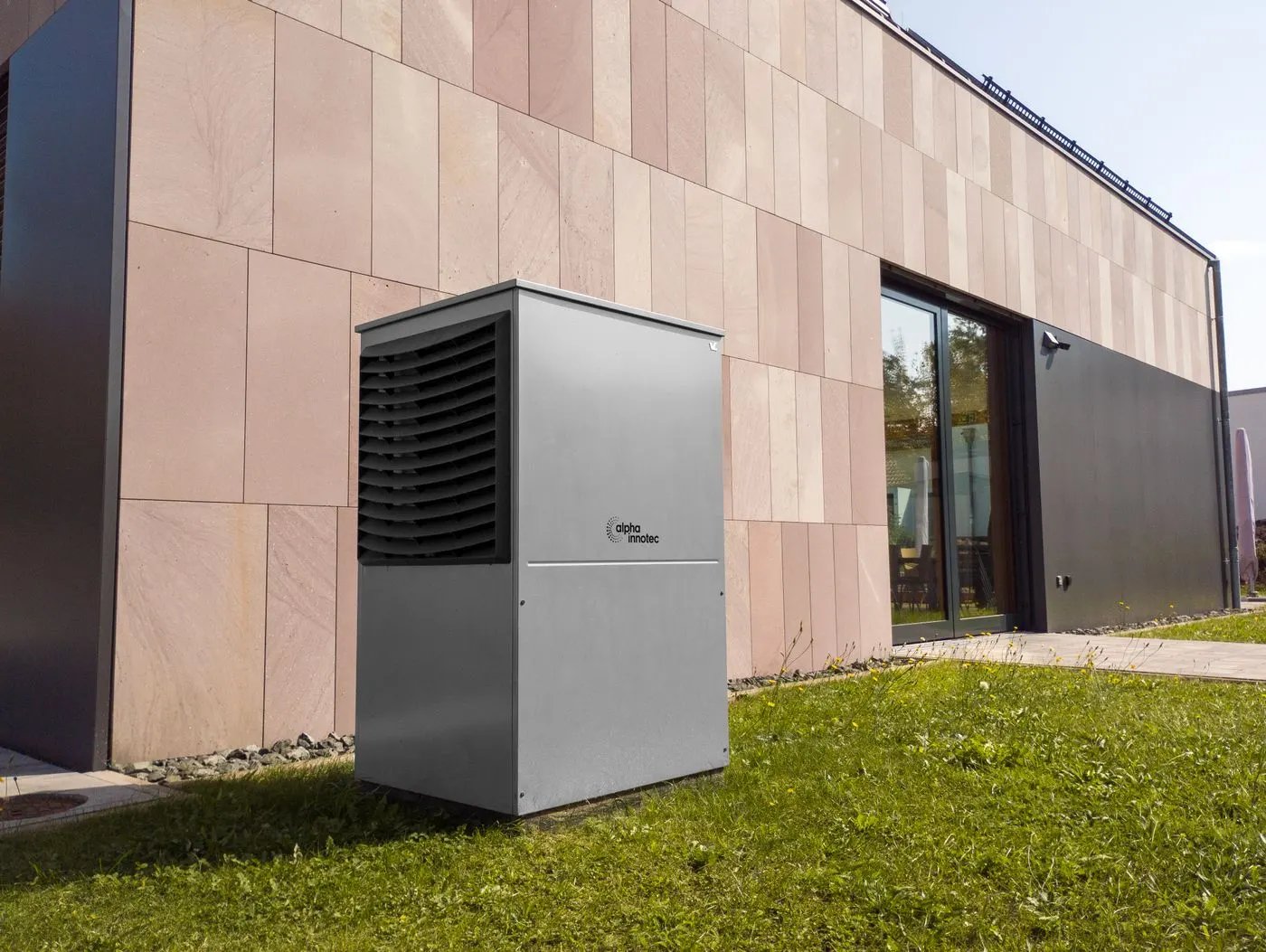
HVAC efficiency ratings at a glance
| Rating | Used for | What it measures | Sensible Ottawa target |
|---|---|---|---|
| AFUE | Gas furnaces and boilers | Share of fuel turned into heat over a season | 96% or higher |
| SEER2 | Central ACs, heat pumps (cooling) | Seasonal cooling per unit of electricity | About 15.2 to 17 for ACs; higher is common for ductless |
| EER2 | Central ACs, heat pumps (cooling) | Cooling efficiency at 35 °C outdoors | Higher is better for heat waves; ENERGY STAR split heat pumps are at least 11.0 |
| HSPF2 | Heat pumps (heating) | Seasonal heating per unit of electricity | Cold-climate: at least 8.1 ducted, 8.5 ductless (Region IV basis) |
| COP | Heat pumps at a set temperature | Heat out divided by electricity in | At least 1.75 at −15 °C |
| UEF | Water heaters | Overall water heating efficiency including standby loss | About 0.90 and up for condensing tankless |
ENERGY STAR, AHRI certificates and rebates
ENERGY STAR is a U.S. EPA program that Natural Resources Canada administers in Canada. For central systems, the label identifies equipment that beats the minimum standards. Cold-climate heat pumps carry an extra designation for low-temperature performance.
An air conditioner or heat pump is rated as a matched system: a specific outdoor unit with a specific indoor coil or air handler, and sometimes a specific furnace. Your contractor should give you the AHRI certificate number for the exact combination being installed. That certificate shows the real SEER2, EER2 and HSPF2 for your system.
Rebate programs often require minimum ratings or a listing on an approved product list. Rebates may be available; Oria will check current programs for your home. See our HVAC rebates page.
Ratings are only half the story
A label shows what the equipment can do in a lab. What you get at home depends on the installation.
Sizing
An oversized furnace or air conditioner short-cycles and never reaches rated efficiency. Ask for a heat loss and heat gain calculation.
Ductwork
Undersized or leaky ducts raise static pressure and cut real efficiency.
Refrigerant charge
A heat pump or AC with the wrong charge can lose a large share of its efficiency. New equipment is moving from R-410A to R-454B and R-32, which need trained, licensed technicians.
Maintenance
Dirty filters and coils drag every rating down over time.
Oria Heating and Cooling has installed furnaces, air conditioners and heat pumps in Ottawa since 2005. Every technician holds gas and refrigeration licences, and we are a Lennox authorized dealer who also installs Goodman and all major brands. To compare real numbers for your home, see furnace installation or heat pump installation, or call (613) 866-1869 for a free estimate.
Frequently Asked Questions
What is the difference between SEER and SEER2?
SEER2 is the cooling efficiency rating that replaced SEER in 2023. It uses a newer test with higher ductwork resistance, closer to real homes, so the same air conditioner scores about 4% to 5% lower under SEER2. A 16 SEER unit is roughly 15.2 SEER2. The equipment did not change; only the way it is tested.
What is a good AFUE rating for a furnace in Ottawa?
In Ottawa, choose a gas furnace with 96% AFUE or higher. Canada requires new gas furnaces to be at least 95% AFUE, and most quality models are 96% to 98%. Beyond AFUE, a two-stage or modulating burner and a variable-speed blower improve comfort and cut electricity use, which matters during long Ottawa heating seasons.
What SEER2 rating should I buy in Ottawa?
For a central air conditioner, about 15.2 to 17 SEER2 is the sweet spot for most Ottawa homes. Ottawa’s cooling season is short, so very high SEER2 units save only modest amounts on cooling alone. If you are buying a heat pump, focus more on its heating rating, HSPF2, and its cold-weather performance.
What does HSPF2 mean for a heat pump?
HSPF2 is the heating seasonal performance factor, a measure of how much heat a heat pump delivers per unit of electricity over a heating season. Higher is better. U.S. and ENERGY STAR listings use climate Region IV, while Canadian regulations use the colder Region V, which gives lower numbers, so compare ratings from the same region.
What COP should a heat pump have for Ottawa winters?
Look for a cold-climate heat pump with a COP of at least 1.75 at −15 °C, the ENERGY STAR cold-climate threshold. That means it still delivers 1.75 units of heat for each unit of electricity at that temperature. Also ask for its heating capacity at −25 °C, Ottawa’s approximate design temperature, to confirm it suits your home.
Is a higher-efficiency furnace worth the extra cost?
Moving from an older 80% furnace to a 96% model typically cuts gas use for heating by about 17%, which adds up over 15 to 20 Ottawa winters. Between 96% and 98% AFUE the gas difference is small, so features like modulating burners and variable-speed blowers often matter more for comfort and electricity savings than the last two points of AFUE.
Do ENERGY STAR products qualify for rebates in Ontario?
Many rebate programs require ENERGY STAR certification, a minimum efficiency rating, or a listing on an approved product list, but requirements change from year to year. Ask your contractor for the AHRI certificate of your exact equipment combination, since programs often need it. Oria checks current programs for each home before you buy.
Related Reading
Need help with your heating or cooling?
Family-owned, licensed HVAC contractor serving Ottawa and Gatineau since 2005. 5.0 stars from 396 Google reviews.