

Quick answer: the common furnace problems we see most
These common furnace problems account for most no-heat and poor-heat calls in Ottawa homes. Several have simple fixes you can try yourself.
Clogged or wrong filter
Restricts airflow, overheats the furnace and trips safety limits.
Ignition faults
A cracked hot surface ignitor or a dirty flame sensor stops the burners from lighting or staying lit.
Blocked vent pipes
Snow and ice over the PVC intake and exhaust trip the pressure switch.
Condensate drain problems
Frozen, clogged or failed pumps shut high-efficiency furnaces down.
Thermostat issues
Dead batteries, wrong settings or loose wiring.
Blower motor and capacitor failures
Burners run but little or no air comes out.
Short cycling and uneven heat
Sizing, airflow or duct problems.
Age and wear
Furnaces past 15 years see more frequent part failures.
Hearing a strange sound? See furnace noises and what they mean. No heat at all right now? Start with 12 checks for a furnace that stops working.
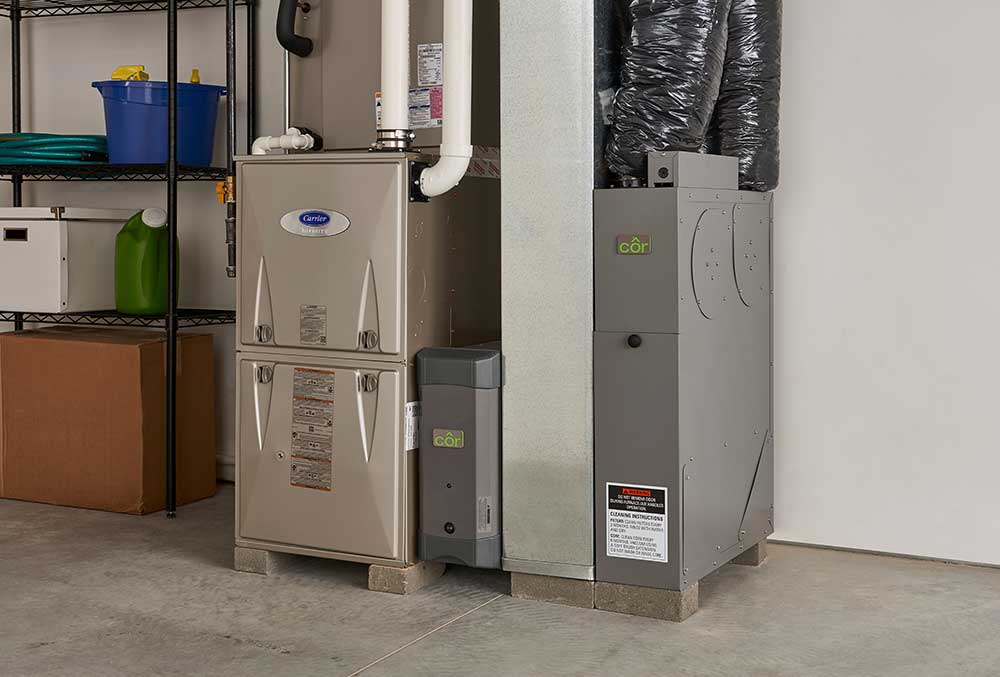
Why Ottawa’s deep cold exposes furnace problems
Ottawa’s heating design temperature is about −25 °C, and January cold snaps regularly reach −30 °C. On those days a furnace may run almost continuously, which pushes weak parts past their limit.
Most Ottawa homes now have high-efficiency furnaces that vent through PVC pipes on a side wall and produce water that must drain away. Those two features cause a large share of winter calls, because snow can bury the pipes and cold can freeze the drain.
The first cold weekend of fall is the other busy time. Furnaces that sat idle all summer reveal worn ignitors, dirty flame sensors and dead thermostat batteries the first time they are asked to work.
Furnace problem chart: symptoms, checks and typical costs
| Problem | Typical symptoms | What you can check | Typical repair cost |
|---|---|---|---|
| Clogged filter | Weak airflow, furnace shuts off on high limit, dusty house | Replace the filter | Cost of a filter |
| Ignitor or flame sensor | Clicks but no flame, or lights then shuts off | Note the error code, reset once | Within $150 – $900 |
| Blocked intake or exhaust | Shuts down during or after snowfall | Clear snow and ice from outdoor pipes | Often no cost if cleared |
| Condensate drain or pump | Water around the furnace, lockouts | Look for kinks, ice or a full pump | Within $150 – $900 |
| Thermostat | Furnace won’t start or runs constantly | Batteries, mode, schedule | Repair within $150 – $900; new smart thermostat $250 – $600 installed |
| Blower motor or capacitor | Burners run but little air; humming | Filter and vents open | Capacitor within $150 – $900; blower motor $600 – $2,000 |
| Control board or inducer motor | No start, flashing codes, loud whine | Note the code | $600 – $2,000 |
| Short cycling | Runs a few minutes, stops, repeats | Filter, vents, thermostat location | Varies by cause |
These are typical Ottawa ranges, not quotes. The final price depends on your home, the furnace and the part involved.
1. Clogged or wrong furnace filter
A dirty filter is the single most common cause of furnace trouble, and the cheapest to fix. When air cannot flow through the filter, heat builds up in the furnace and the high-limit switch shuts the burners off to protect the heat exchanger.
Check a standard 1-inch filter every month in winter and replace it every 1–3 months. Thicker 4- or 5-inch media filters usually last 6–12 months. A very high-MERV 1-inch filter can restrict airflow as much as a dirty one, so match the filter to what your furnace is designed for.
Read more in why changing your furnace filter matters.
2. Ignitor and flame sensor problems
Modern furnaces light with a hot surface ignitor, a small element that glows to ignite the gas. Ignitors are brittle and wear out, often failing on the first cold night of the season.
The flame sensor is a thin rod that confirms the burners are lit. When it gets coated with residue, the furnace lights, cannot confirm the flame, and shuts the gas off within seconds. After a few tries it locks out.
Older furnaces may still use a standing pilot light. If yours goes out, follow the relighting instructions on the furnace label. If it will not stay lit, the thermocouple or gas valve likely needs a licensed gas technician.
3. Snow-blocked vents and pressure switch trips
High-efficiency furnaces pull combustion air in and push exhaust out through two PVC pipes on an outside wall. When snow drifts or ice cover them, the pressure switch senses the blockage and the furnace will not light.
During heavy snowfall, check those pipes every few hours and keep the area around them clear. Frost can also build up on the exhaust during long stretches below −20 °C. If clearing the pipes does not restore heat, a cracked pressure switch hose or weak inducer motor may be the cause.
4. Frozen or clogged condensate drain
A high-efficiency furnace produces water as it extracts extra heat from the exhaust. That condensate runs through a trap and hose to a floor drain or a small condensate pump.
If the trap clogs, the hose kinks, the pump fails or a line freezes in a cold garage or crawlspace, water backs up. The furnace shuts down to protect itself, and you may see water on the floor.
Check the hose for kinks and make sure the pump is not full or silent. A technician can clean the trap and reroute or insulate lines that freeze.
5. Thermostat problems
Before assuming the furnace has failed, check the thermostat. Dead batteries, the wrong mode, a schedule set to an away temperature, or a loose wire can all look like a furnace fault.
Location matters too. A thermostat in direct sun, near a supply register or on a cold exterior wall reads the wrong temperature and runs the furnace too much or too little.
Smart thermostats often need a common (C) wire to work reliably. Professional smart thermostat installation typically costs $250 – $600.
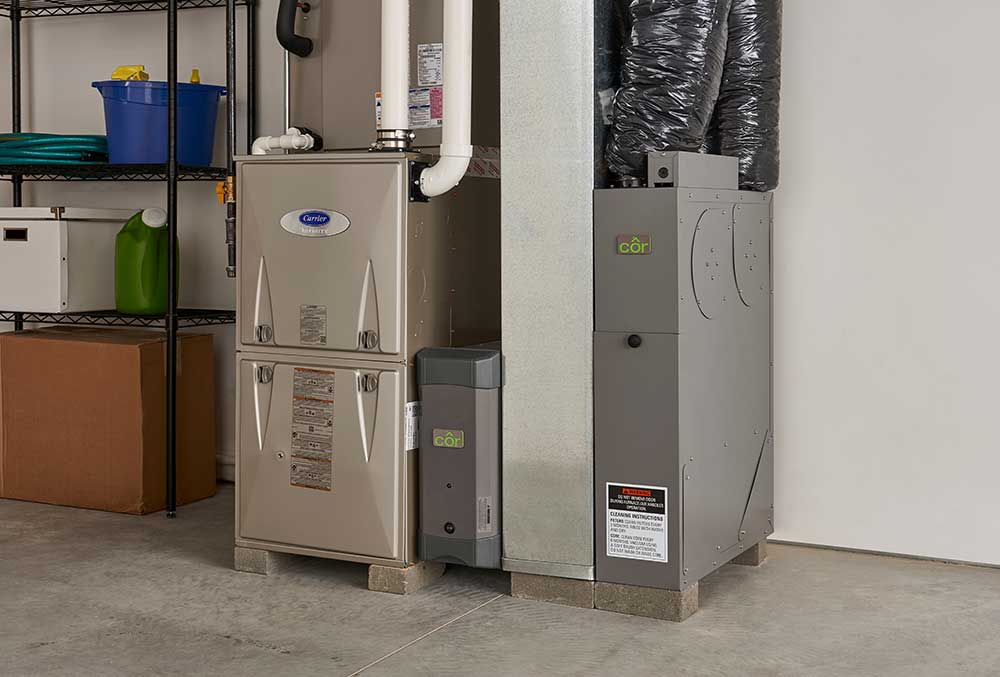
6. Blower motor, capacitor and inducer failures
If the burners light but little or no warm air reaches your rooms, the blower is the likely culprit. A failing run capacitor often causes a hum and a motor that struggles to start. It is a relatively small repair if caught before it damages the motor.
A failed blower motor, control board or inducer motor is a major part, typically $600 – $2,000. On a furnace under 10 years old, that repair usually makes sense; on an older unit, compare it against replacement.
7. Short cycling and uneven heating
Short cycling means the furnace runs for a few minutes, shuts off, then starts again. Common causes are an overheating furnace from poor airflow, a dirty flame sensor, a poorly placed thermostat, or a furnace that is too large for the house.
Uneven heating, with cold bedrooms over a garage or a chilly finished basement, is usually about ductwork rather than the furnace. Undersized returns, leaky ducts and unbalanced dampers are common. A technician can measure airflow and balance the system; our guide to furnace sizing for Ottawa homes explains why oversizing causes problems.
8. Dry air, static and comfort complaints
Not every complaint is a breakdown. In January, cold outdoor air holds very little moisture, so indoor humidity in Ottawa homes can drop well below comfortable levels.
Dry skin, static shocks and a house that feels cool at a normal setting are typical. A furnace humidifier, typically $500 – $1,000 for bypass or fan-powered models, solves this.
9. Age, wear and the heat exchanger
Every furnace wears with time. Motors, bearings, ignitors and switches have finite lives, and a furnace past 15 years tends to need repairs more often.
The most serious age-related problem is a cracked heat exchanger, which can let carbon monoxide into the air your furnace circulates. A technician checks it at every tune-up. Keep working CO alarms near sleeping areas, and read our guide to furnace carbon monoxide safety.
How to prevent most furnace problems
Book a yearly tune-up
Ideally in early fall, at $120 – $200 per system. The technician cleans the flame sensor, tests the ignitor, checks the heat exchanger and clears the condensate trap.
Change filters on schedule
Every 1–3 months for standard filters.
Keep vent pipes clear
Mark their location before winter so you can find them under snow.
Keep the area around the furnace clear
No storage against the cabinet or over return grilles.
Test CO alarms monthly
And replace them at the end of their rated life.
Our furnace maintenance checklist walks through the full list.
When to call a technician
Call for service when your checks do not restore heat, the furnace keeps locking out, or you see water, soot or scorch marks. Leave gas valves, burners and electrical controls to a licensed gas technician.
If you smell gas, leave the house and call Enbridge Gas’s emergency line or 911 from outside. If your CO alarm sounds, get everyone out and call 911.
Oria’s technicians repair all makes and models, and we offer 24/7 emergency service across Ottawa. Book through our furnace repair service or call (613) 866-1869.
Frequently Asked Questions
What is the most common furnace problem?
A clogged filter is the most common cause of furnace trouble. It restricts airflow, makes the furnace overheat and causes the high-limit switch to shut the burners off, so the house cools down even though the furnace seems to be working. Ignitor and flame sensor failures are next, especially at the start of Ottawa’s heating season.
Why does my furnace keep shutting off in very cold weather?
In Ottawa’s deep cold, the usual causes are snow or ice blocking the outdoor intake and exhaust pipes, a frozen condensate line, a clogged filter causing overheating, or a dirty flame sensor. Clear the pipes, replace the filter and check the drain. If the furnace keeps shutting off after that, call a technician rather than resetting it repeatedly.
How much does furnace repair cost in Ottawa?
Most common furnace repairs in Ottawa, such as ignitors, flame sensors, capacitors, pressure switches and condensate parts, cost $150 – $900. Major parts like a blower motor, control board or inducer motor typically cost $600 – $2,000. The final price depends on the furnace and the part, and a good technician confirms the cost before starting.
How often should I change my furnace filter in an Ottawa winter?
Check a standard 1-inch filter every month during the heating season and replace it every 1–3 months, sooner if you have pets, renovations or allergies. Thicker 4- or 5-inch media filters usually last 6–12 months. A filter changed once a year is far too long and is a common cause of overheating and shutdowns.
Is it worth repairing a 15-year-old furnace?
A small repair in the $150 – $900 range often makes sense on a 15-year-old furnace that has been reliable. A major repair of $600 – $2,000, or several repairs in one winter, usually means it is time to price a replacement. A high-efficiency furnace replacement typically costs $4,500 – $8,500 installed in Ottawa.
Why is there water around my furnace?
High-efficiency furnaces produce condensate that drains through a trap and hose to a floor drain or pump. Water on the floor usually means a clogged trap, a kinked or frozen hose, or a failed condensate pump. A humidifier leak or a central AC drain can also be responsible. If the furnace has shut down, call for service.
Related Reading
Need help with your heating or cooling?
Family-owned, licensed HVAC contractor serving Ottawa and Gatineau since 2014. 5.0 stars from 578 Google reviews.