by Oria | Oct 20, 2026 | Furnaces & Heating
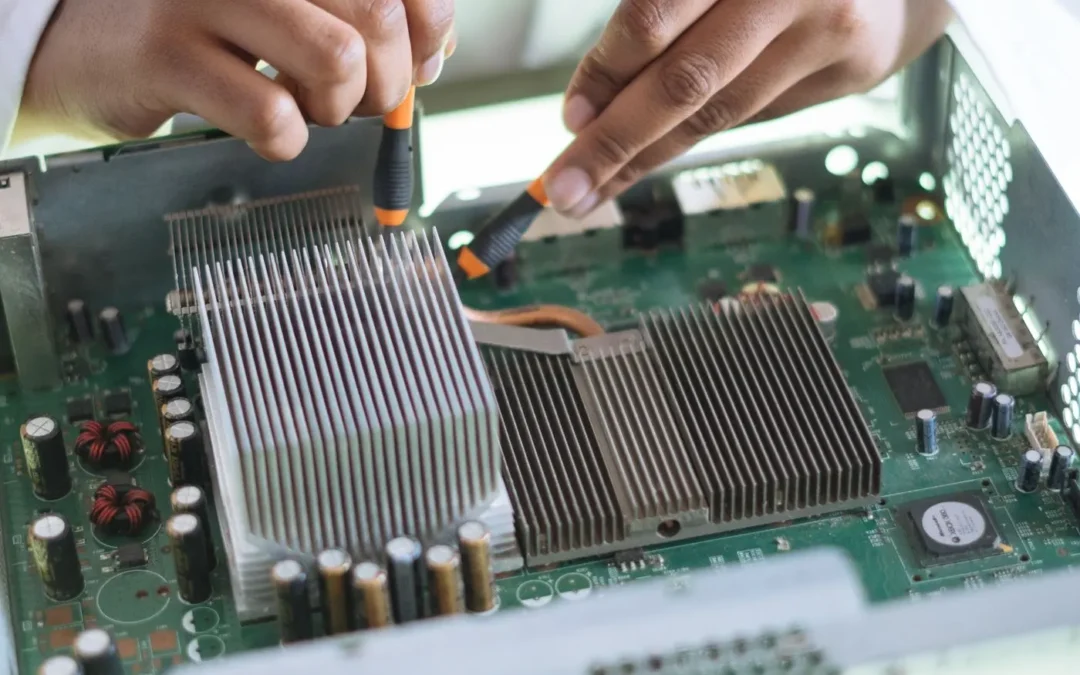
Quick answer: Furnace carbon monoxide comes from poor combustion, a cracked heat exchanger or a blocked vent. CO is invisible and odourless, so a working alarm is your only warning. Ontario’s Fire Code requires CO alarms next to sleeping areas and on every...
by Oria | Oct 20, 2026 | Furnaces & Heating
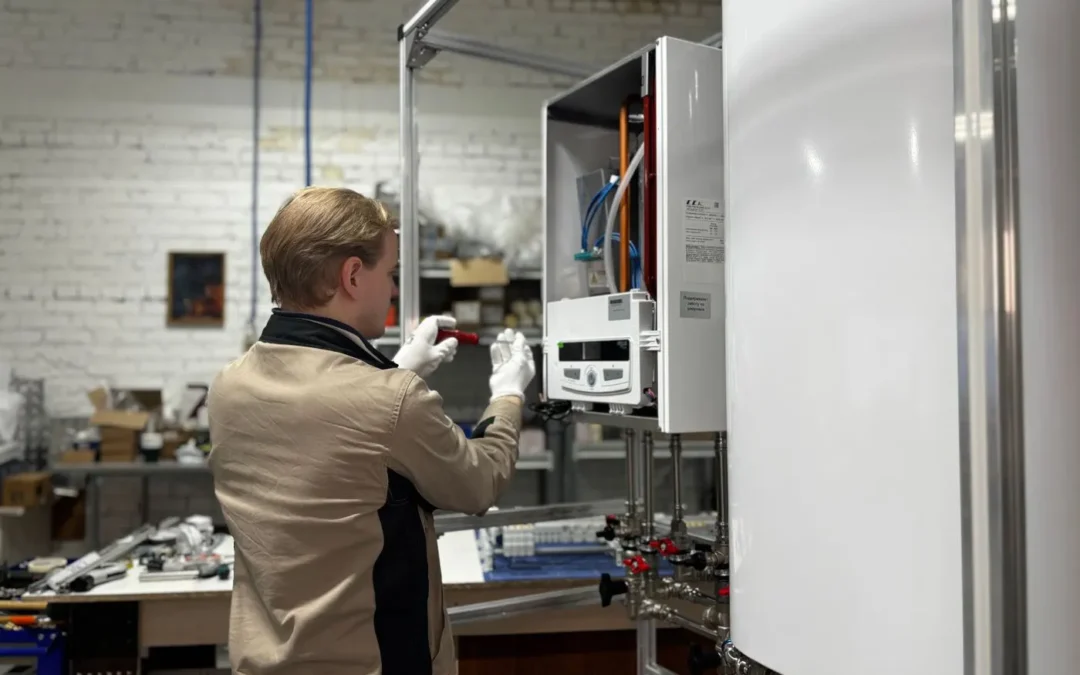
Quick answer: Most furnace noises point to a specific part. Squealing usually means a blower motor or belt problem, repeated clicking without heat suggests an ignition fault, and rattling is often a loose panel. A loud bang at start-up, grinding metal, or any noise...
by Oria | Oct 20, 2026 | Furnaces & Heating
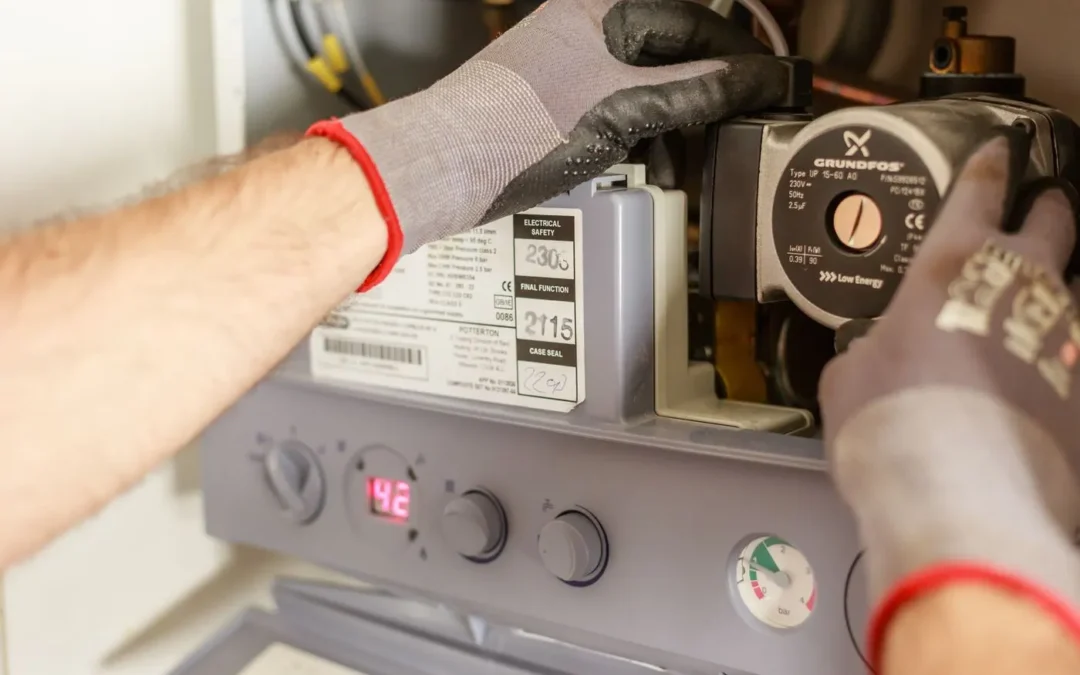
Quick answer: Most gas furnaces last 15 to 20 years. In Ottawa, where a furnace often runs from October to April and works hard through −25 °C cold snaps, yearly maintenance, regular filter changes and correct sizing decide whether yours reaches the top of that range....

by Oria | Jan 8, 2025 | Furnaces & Heating
Quick answer: At 12:30 a.m. on a Friday, during one of the coldest nights of the season, local homeowner John M. found his furnace had stopped, with two young children in the house. Oria answered his emergency furnace repair call, dispatched a technician right away,...

by Oria | Aug 14, 2024 | Furnaces & Heating
Quick answer: The main signs you need a new furnace are age over 15 years, gas bills rising without a reason, two or more major repairs in two years, rooms that will not stay warm, a yellow or flickering flame, soot or carbon monoxide alarms, and loud new noises. If...

by Oria | Nov 27, 2023 | Furnaces & Heating
Quick answer: A gas furnace has four main systems: controls (thermostat, control board), combustion (inducer, pressure switch, gas valve, igniter, burners, flame sensor), heat transfer (primary and secondary heat exchangers) and air delivery (blower, filter, ducts)....

